

How to Read Between the Lines on a Carfax Report
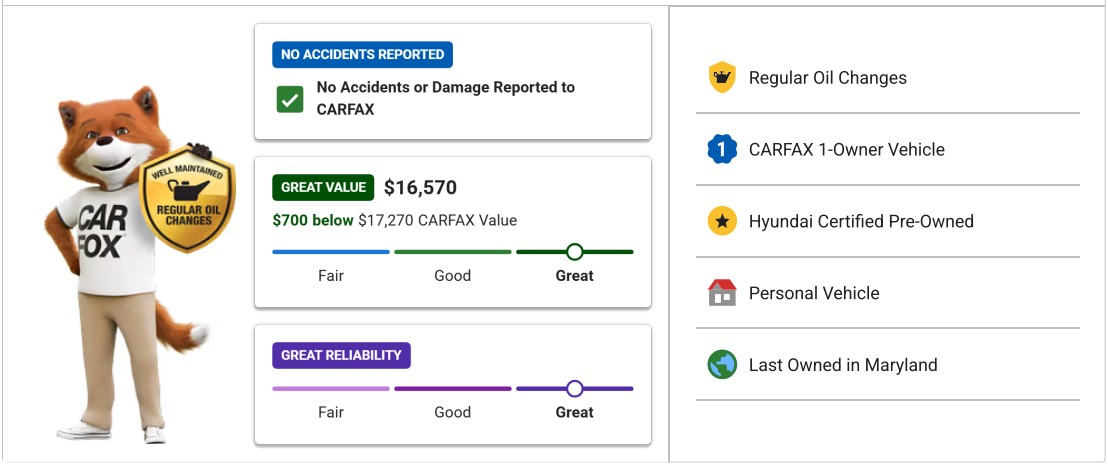
A Carfax report can look nearly perfect at the top: no accidents, one owner, regular oil changes, even a "Good Value" badge. And it can still tell you a completely different story if you know where to look.
Every used car has a history, and that history lives in the Carfax. But only partly. The rest of it lives between the lines. Here's the four-step method we use at Your Car Haggler to read a Carfax for our clients.
Many consumers think used cars are easier to shop for than new cars; but, in our experience, finding the perfect preowned vehicle can be far harder. If you want a new CR-V, there might be 100 identical ones within 50 miles. But every used car is different. Every one of them has a story. And that story lives in the Carfax, but only partly. The rest of it lives between the lines.
- Step One Don't Stop at the Top The badges at the top of a Carfax are just the summary: no accidents, one owner, Certified Pre-Owned. Most buyers read that far and stop. That's the mistake. The badges can all be green and the car can still have a story worth knowing.
- Step Two Read the Service History Like a Timeline Don't just look at what was done. Look at the dates and the mileage between visits. Look for clusters (visits bunched together in a short window), gaps, and anything that happened off the normal service schedule.
- Step Three Read What the Carfax Doesn't Say When a service entry just says "vehicle serviced" with no detail, that's a question mark, not an answer. Normal entries list actual work: oil changed, tires rotated, brakes checked. Missing details mean the Carfax doesn't know what happened.
- Step Four Pick Up the Phone A Carfax is a starting point, not a verdict. If something doesn't add up, call the dealership that serviced the car. Ask politely. Most will help you. It's the single biggest thing you can do to protect yourself.
Putting It Into Practice: A Real Car, A Real Carfax
We recently pulled a Carfax on a 2022 Hyundai Venue SEL for a client. Low miles, priced right, Certified Pre-Owned. At the top? Everything looked great: no accidents, one owner, regular oil changes, and a "Good Value" badge.
But when we scrolled into the service history, the pattern changed. Three visits in 22 days with only ~100 miles driven. Off-schedule visits involving the navigation system. And the strangest one: two entries fourteen days apart with only one mile between them.
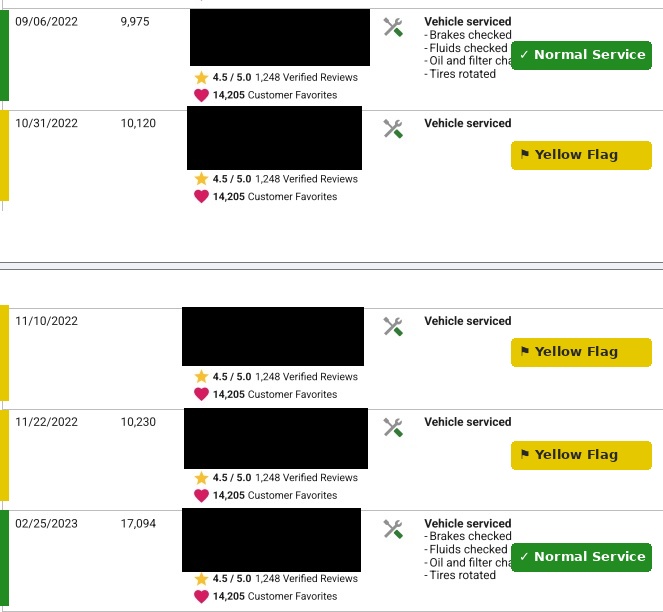
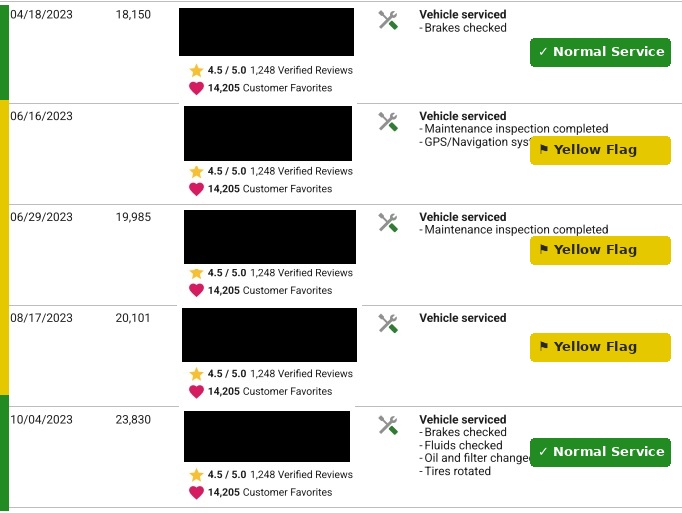
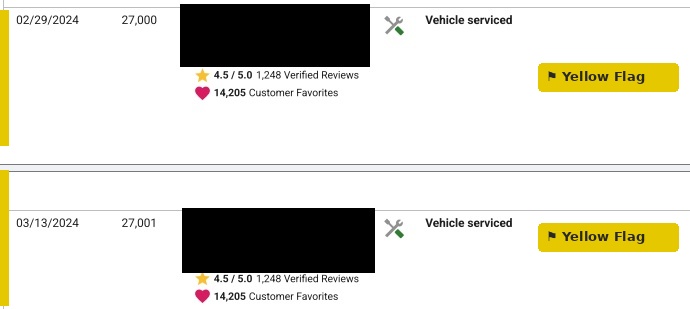
Across all of these entries, the same two words: "vehicle serviced." No details. Eight question marks on a car our client was about to spend real money on.
So we picked up the phone and called the servicing dealership indicated on the CarFax. Here is what we learned: The previous owner worked at the dealership. They were an employee. They can easily pop their car in for small things, and the service department likely just codes it as "vehicle serviced".
But, that fact does not explain some of the oddities found within the CarFax. With so many strange visits, we didn't want to take too much of the servicing dealership's time, knowing we wouldn't support the purchase of this car for our client.
That one-mile-in-fourteen-days entry? Did the employee go on vacation for two weeks and leave the car at the dealer? If so, why would it be logged twice? Why would it be in for service two times: once before they left and once right when they got back? That doesn't make sense. It is also completely possible they even guessed their miles and it was different than what was logged.
Mechanically, the car was probably fine. But, that "probably" is why we never sent this car to our client as an option. It wasn't worth the 8 yellow flag risk.
So Why Did We Still Walk Away?
Because that Carfax isn't just a record of what happened. It's the document every future buyer and appraiser will judge the car by. When the owner trades it in five years, the appraiser will see those same eight "vehicle serviced" entries, and they won't make the phone call we made. They'll price the risk in.
A clean, clear service history has real dollar value. This car didn't have one. That's a cost we weren't willing to put on our client.
The Quick Recap
- 1 Scroll past the badges. Green at the top doesn't mean green all the way through.
- 2 Read the timeline. Clusters, gaps, and off-schedule visits all tell a story.
- 3 Spot the question marks. "Vehicle serviced" with no detail means nobody recorded what happened.
- 4 Call the dealership. One phone call can answer every question the Carfax can't.
When you are ready for a new or used car, we'll help you do it the smart way - not the dealership's way.
Your Car. Your Terms. YourCarHaggler.com
Contact Your Car Haggler →